
This article explores the benefits of cold plunges, a rejuvenating practice gaining global recognition. We delve into its impact on muscle recovery, immunity strengthening, and mental well-being.
We also highlight important safety measures to ensure a beneficial and risk-free experience.
Ideal for individuals seeking non-invasive, natural methods for health optimization, this comprehensive guide sheds light on the transformative power of cold plunges in enhancing physical and mental resilience.

Understanding Cold Plunges
Initiating the exploration of cold plunges, it is crucial to comprehend that this practice involves immersing oneself into water at temperatures below 59 degrees Fahrenheit, typically as a part of a wellness or recovery routine. This practice is not new; it dates back to ancient civilizations, wherein it was used for therapeutic and spiritual purposes. In contemporary times, it has evolved into a popular wellness trend.
Cold plunges are believed to have numerous health benefits. These include improved circulation, boosted immunity, enhanced mood, accelerated recovery from physical exertion, and increased metabolic rate. The premise is that the sudden exposure to cold water causes blood vessels to constrict, thereby improving circulation and detoxification.
However, it is important to note that the effectiveness of cold plunges is largely subjective and depends on individual tolerance to cold, overall health status, and regularity of practice. For those unaccustomed to cold exposure, gradual adaptation is recommended to prevent potential discomfort or adverse reactions. As such, one should consult a healthcare professional before incorporating this practice into their wellness routine.
Therefore, cold plunges, while beneficial, require a mindful and gradual approach.
Cold Plunges and Muscular Recovery
Building on the potential health benefits of cold plunges, an essential area of focus is their role in promoting muscular recovery. A regular cold plunge practice can help to reduce muscle inflammation and soreness after intense physical activity. The cold temperatures trigger vasoconstriction, a narrowing of the blood vessels, which serves to decrease metabolic activity and slow down the release of enzymes that cause damage to muscle tissue.
Subsequently, as the body gradually warms up post-plunge, vasodilation occurs, widening the blood vessels and increasing blood flow. This influx of nutrient-rich blood promotes quicker repair and regeneration of damaged muscle tissues. In essence, the cold plunge induces a kind of ‘reset’ to the body’s muscles, accelerating recovery and enhancing performance.
Moreover, the endorphin release triggered by the cold plunge can also act as a natural pain reliever, further aiding in the recovery process. The potential for improved sleep quality, another significant factor in muscle recovery, is also a noteworthy benefit.
Immunity Boost From Cold Plunges
In addition to the muscle recovery benefits, cold plunges’ impact on boosting immunity represents another compelling reason to incorporate this practice into a health regimen. The immunological benefits of regular cold immersion are rooted in the body’s physiological response to acute cold exposure. This creates a cascade of effects, including an increased production of white blood cells and other disease-fighting agents that strengthen the body’s immune system.
Upon entering cold water, the body goes into a state of shock, triggering a surge of adrenaline. This hormone stimulates the production of immune cells, including lymphocytes and monocytes. These cells play a pivotal role in the body’s defense mechanism against pathogens, effectively improving your immunity.
Moreover, the increase in metabolic rate to produce heat during a cold plunge stimulates the lymphatic system, responsible for detoxifying the body. This removes waste, bacteria, and viruses, further boosting immunity.
Importantly, regular exposure to cold water is key to reaping these benefits. It trains the body to be more resilient to stress, including cold, potentially leading to an enhanced immune response over time. Hence, integrating cold plunges into your health routine could be an empowering step towards improved health and freedom from illness.
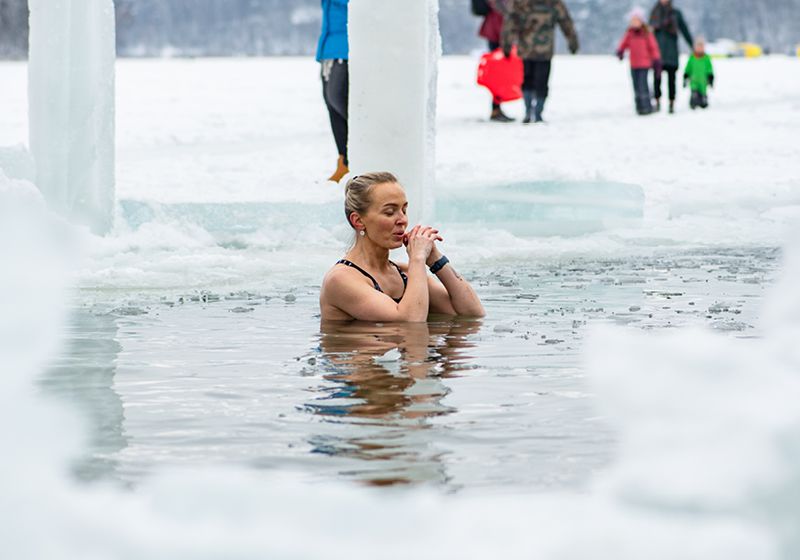
Mental Health Benefits
Regularly, cold plunges not only contribute to physical wellness and immune strength, but also provide significant benefits to mental health. The sudden, intense cold of the water stimulates the nervous system, leading to increased production of endorphins, the body’s natural painkillers and mood elevators. This release can result in feelings of joy, positivity, and energy, effectively combating symptoms of stress and depression.
Moreover, cold plunges can enhance mental toughness and resilience. The discipline required to immerse oneself in cold water against the body’s natural inclination to seek warmth can bolster a sense of self-control and willpower. This can carry over into daily life, improving one’s ability to manage stress and face challenges head-on.
Additionally, cold water immersion can improve sleep quality. The cold stimulates the body’s parasympathetic system, often referred to as the ‘rest and digest’ system, promoting relaxation and deeper sleep. Quality sleep is crucial for mental health, helping to regulate mood and reduce anxiety.
Safety and Precautions for Cold Plunges
While it’s clear that cold plunges can significantly benefit both physical and mental health, it’s important for us to understand and adhere to certain safety measures and precautions when incorporating this practice into our routines.
To begin, it’s crucial to ensure that the body is well-hydrated before a plunge. Dehydration can exacerbate the effects of the cold, leading to potential risks like hypothermia. It’s also advised to limit the duration of each plunge, as extended exposure can lead to a dangerous drop in body temperature. Experts suggest starting with short dips, gradually increasing the duration as your body acclimates to the cold.
Additionally, individuals with certain health conditions, such as heart disease, high blood pressure, or asthma, should consult with a healthcare professional before attempting a cold plunge. The sudden change in temperature can cause a shock to the system, potentially triggering an adverse reaction.
Lastly, it’s essential to always have a buddy system in place. The intense cold can sometimes lead to disorientation or fainting, making it unsafe to plunge alone. With these precautions in mind, cold plunging can be a safe and effective way to boost recovery and immunity.
Conclusion
In conclusion, cold plunges offer notable benefits including enhanced muscular recovery, strengthened immunity, and improved mental health.
Yet, it is critical to approach this practice with caution, adhering to safety measures to prevent potential risks.
As research continues, the advantages of this ancient tradition may further solidify its place in modern wellness practices, highlighting the importance of embracing both innovation and tradition in the pursuit of improved health and wellbeing.
